
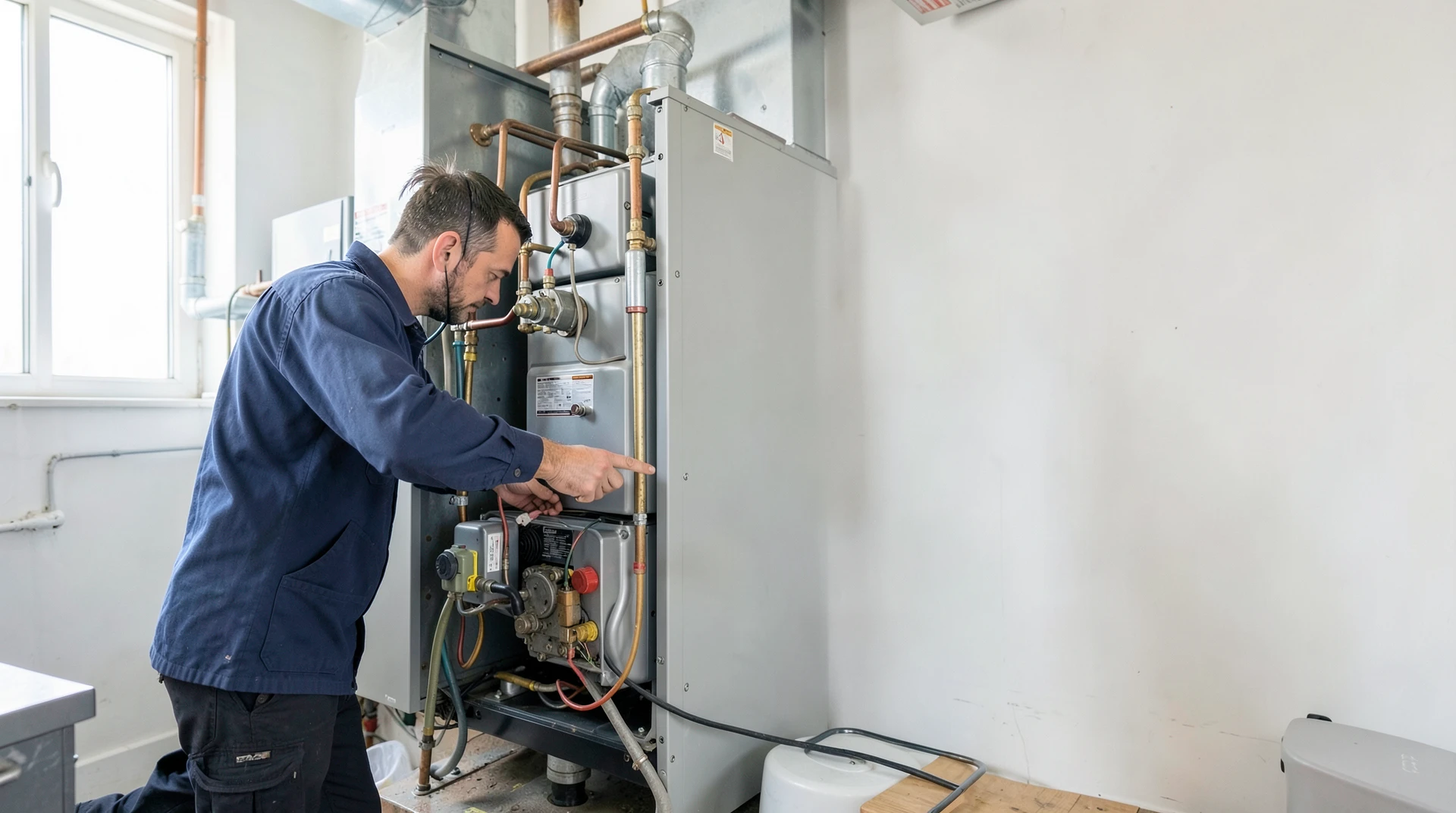
The sudden silence of a heating system when the temperature drops can be genuinely unsettling. When you are faced with the prospect of cold air filling your beautiful Silver Oak home, the natural instinct is to panic and start tinkering with the unit yourself. But before you touch any wires or valves, please take a deep breath. A gas furnace not igniting is a serious system alert-it tells us something has gone wrong, but that "something" could be anything from a tripped breaker to an internal component failure.
Here at Smart Hvac Solution, we understand the stress and disruption this causes. As local experts who have been working with homes across the West Side area for decades, our goal is not just to fix the furnace; it’s to restore your comfort, your peace of mind, and your belief in reliable home systems. This comprehensive guide will walk you through what you can safely check, why professional help is crucial, and how we ensure your system runs with maximum efficiency for years to come.
When the Heat Stops: Initial Steps for a Gas Furnace Not Igniting
Safety must always be our first priority. Before diving into any technical troubleshooting-whether it’s a gas furnace not igniting or simply running poorly-we need to establish safe boundaries. Never attempt repairs if you smell strong, rotten-egg odors (which indicates natural gas leaks) or if there are visible electrical sparks, frayed wires, or damaged components. In these situations, the safest immediate action is to call us immediately at +1 775-490-8107.
However, for general, non-invasive checks, there are a few things any homeowner can safely perform to eliminate simple causes and determine if you have an emergency situation or merely a minor hiccup:
- Check Your Power: Locate the main circuit breaker panel. Is the furnace unit powered by a dedicated breaker? Check that switch; sometimes, heavy usage in other parts of the house (like running multiple appliances) can trip it. Also, check any local power switches mounted near the furnace itself-these are often easily bypassed or accidentally flipped off.
- Check for Obvious Blockages: Visually inspect the immediate area around the unit. Are there items placed against it? Is a filter severely clogged (this is an easy fix that can sometimes restore proper airflow)? You want to ensure that air and gas flow pathways are completely clear of debris, dust accumulation, or household clutter.
- Listen for Codes: Many modern furnaces display error codes on their digital control boards. Instead of trying to interpret the code yourself, simply note it down. This information is invaluable and allows us to jump directly to a diagnosis when we arrive at your home in Montgomery Estates or Kings Beach.
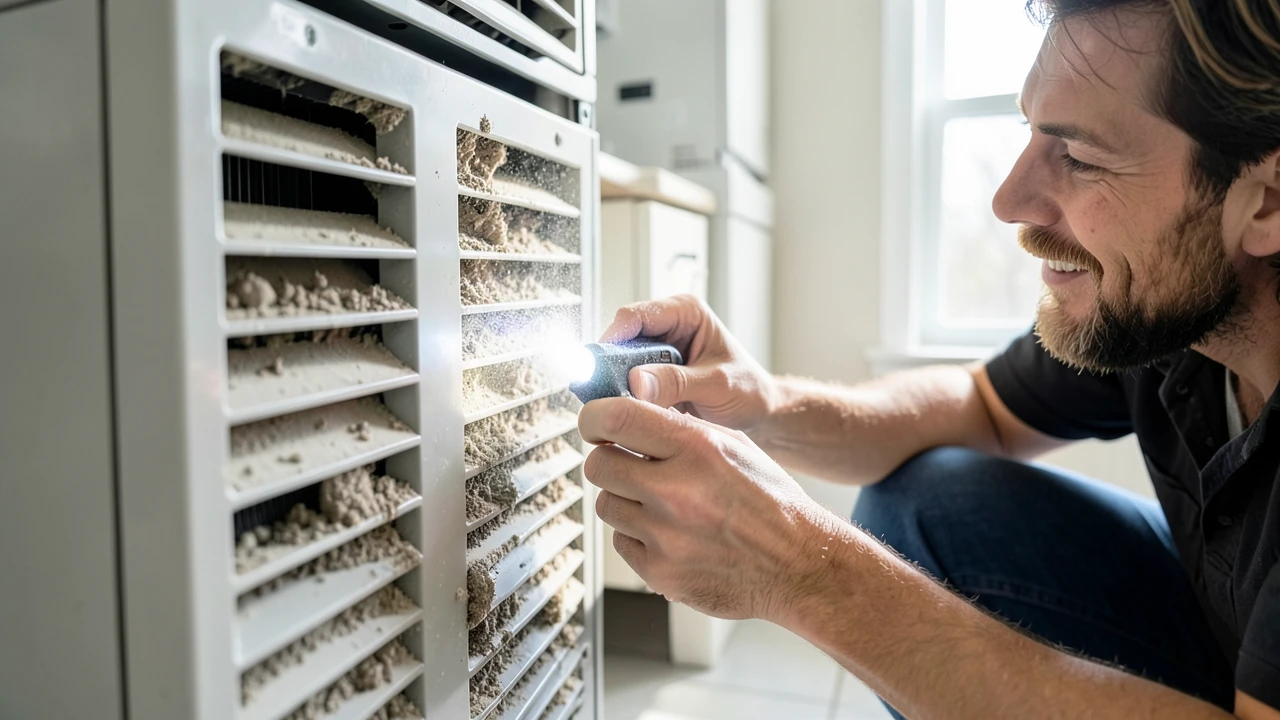
Remember, these initial checks are designed not to fix the problem, but to give you context-to establish if this issue is a simple power outage versus a deeper mechanical failure requiring an expert hand. Think of it as conducting a diagnostic conversation with yourself before calling for help.
Understanding the Igniting Process: Why Your Gas Furnace Might Be Failing
To truly understand why your furnace might be failing, we need to look at the ignition cycle itself. It’s not a single process; it's a carefully choreographed dance involving three main steps: power activation, gas flow readiness, and the spark that ignites the fuel. Failure can occur anywhere along this sequence.
A functioning system needs continuous checks on several key components:
- Gas Valve: This component regulates the consistent flow of gas to the burner. If it becomes corroded or restricted, the furnace may lose its ability to maintain proper pressure, preventing ignition.
- Ignitor Module/Electrodes: This is the "spark match" of your system. Over time, ignitors can suffer from mineral buildup (especially common in hard water areas) or simply wear out due to repeated cycles. A weak spark means no flame, even if the gas is flowing perfectly.
- Thermostats and Controls: Modern smart thermostats are fantastic tools, but sometimes the issue isn't at the furnace itself; it’s a signal failure-the thermostat might be reading inaccurately or communicating poorly with the main unit.
When you are dealing with a gas furnace not igniting troubleshooting help, it is crucial to distinguish between these component failures and other system issues. For example, if the gas valve is restricting flow, the furnace will show an error code related to low pressure. If the ignitor is weak, the code might point to a flame sensor failure.
As one homeowner recently told us while we were working in Cedar Flat: "I thought I just needed new filters, but it was actually the ignition module that had completely failed." This highlights our point: the symptom (no heat) can mask many different root causes. We don't guess; we diagnose based on comprehensive error patterns.
The Difference Between Troubleshooting and Professional Diagnosis
We know you are resourceful and capable-you want to save money, time, and inconvenience by tackling this yourself. But let us be crystal clear: modern HVAC units are incredibly complex assemblies of high-pressure gas lines, specialized electrical wiring, and sensitive electronic control boards. Tampering with any part of these systems poses a significant risk of fire, carbon monoxide poisoning, or electrocution.
This is why we strongly caution against DIY fixes involving internal components. A true gas furnace not igniting troubleshooting help from an amateur risks making the problem worse, potentially voiding warranties, and-most importantly-endangering your family.
A professional diagnostic visit isn't just about "fixing the broken part." It’s a sophisticated evaluation of the root cause. We are trained to look beyond the immediate symptom (no fire) and assess system health: Why did this component fail? Was it age, poor maintenance, or environmental factors?
Think of your furnace like an aging luxury vehicle you own in West Side/Silver Oak. When it starts having trouble, you have two options: a quick roadside patch (a temporary fix that only addresses the symptom) or a full diagnostic service at a trusted mechanic (which finds out if the engine needs a tune-up, or if the whole transmission is failing).
Our job is to provide the comprehensive diagnosis. We will assess not only if it’s igniting but also how efficiently and how safely it's doing so. This ensures we don't just fix the ignitor module today and leave you with a dirty, inefficient heat exchanger that causes problems six months from now.
Beyond the Spark: Optimizing Your HVAC System for Peak Efficiency and Indoor Air Quality
While getting your furnace to ignite is the immediate crisis solution, true comfort comes from efficiency and clean air-a perspective often overlooked in emergency repairs. The goal of a home system should be continuous, perfect performance that protects both your wallet and your family's health. Ultimately, the goal of any home system should be continuous, perfect performance that protects both your wallet and your family’s health by maintaining home comfort year-round.
This brings us to the concept of Indoor Air Quality (IAQ). Even if we get the spark flying perfectly, poor ductwork sealing, dust buildup on coils, or mold in the plenum can severely undermine air quality and dramatically increase your energy consumption-meaning you pay more money for less breathable, less comfortable heat.
This is where our expertise goes beyond simple furnace repair. We treat your HVAC system as a holistic climate solution. When we work with clients in affluent areas like Tahoma Keys, efficiency isn't just about keeping the temperature steady; it’s about providing the cleanest possible breath of air year-round-the difference between stale indoor air and the crisp feeling of mountain spring water. For comprehensive climate control advice beyond just furnaces, consider that we also offer expert assistance with systems like a Smart Hvac Solution Carson City service.
We conduct thorough HVAC system efficiency audits. These audits help identify hidden sources of energy loss:
- Duct Leaks: Small tears in ductwork can leak massive amounts of conditioned air into unheated attic or crawl spaces, making your furnace work overtime and wasting fuel.
- Low SEER Ratings: When it comes time to replace a unit, we guide you through the Return on Investment (ROI) calculation, ensuring that the system you choose-whether an upgrade or full replacement-meets modern efficiency standards without unnecessary upselling.
Our commitment is to help you maximize your home's comfort while minimizing its operating cost. It’s about long-term value, not short-term cost-cutting.
Restoring Comfort and Confidence: When to Call in the Experts
If you have performed the basic safety checks outlined above-the breakers are good, there is no smell of gas, and nothing looks obviously blocked-and your furnace still refuses to ignite, it’s time to call in the experts. Attempting further troubleshooting on complex electrical or gas components could lead to dangerous situations.
At Smart Hvac Solution, we approach every call with this philosophy: We don't just fix units; we optimize your entire climate experience. Our diagnostic process is thorough because we believe that providing you with a clear understanding of the root cause saves you money and stress down the line. When we arrive at your West Side/Silver Oak property, we provide transparent pricing upfront-no hidden fees, no unnecessary upsells designed simply to boost profits.
We understand that when heat fails, life feels suddenly complicated. We are here to bring simplicity back into your home's comfort routine. Our team is known for its reliability and professionalism; we ensure a clean work site and rapid service completion so you can get back to enjoying the warmth of your beautiful home as quickly as possible.
The true cost of owning an HVAC system isn't the repair bill itself; it’s the neglect, the inefficiency, and the stress caused by ignoring warning signs. Let us take that burden away from you. Contact Smart Hvac Solution today for a reliable diagnosis and let us ensure your system runs efficiently and safely for decades to come.