
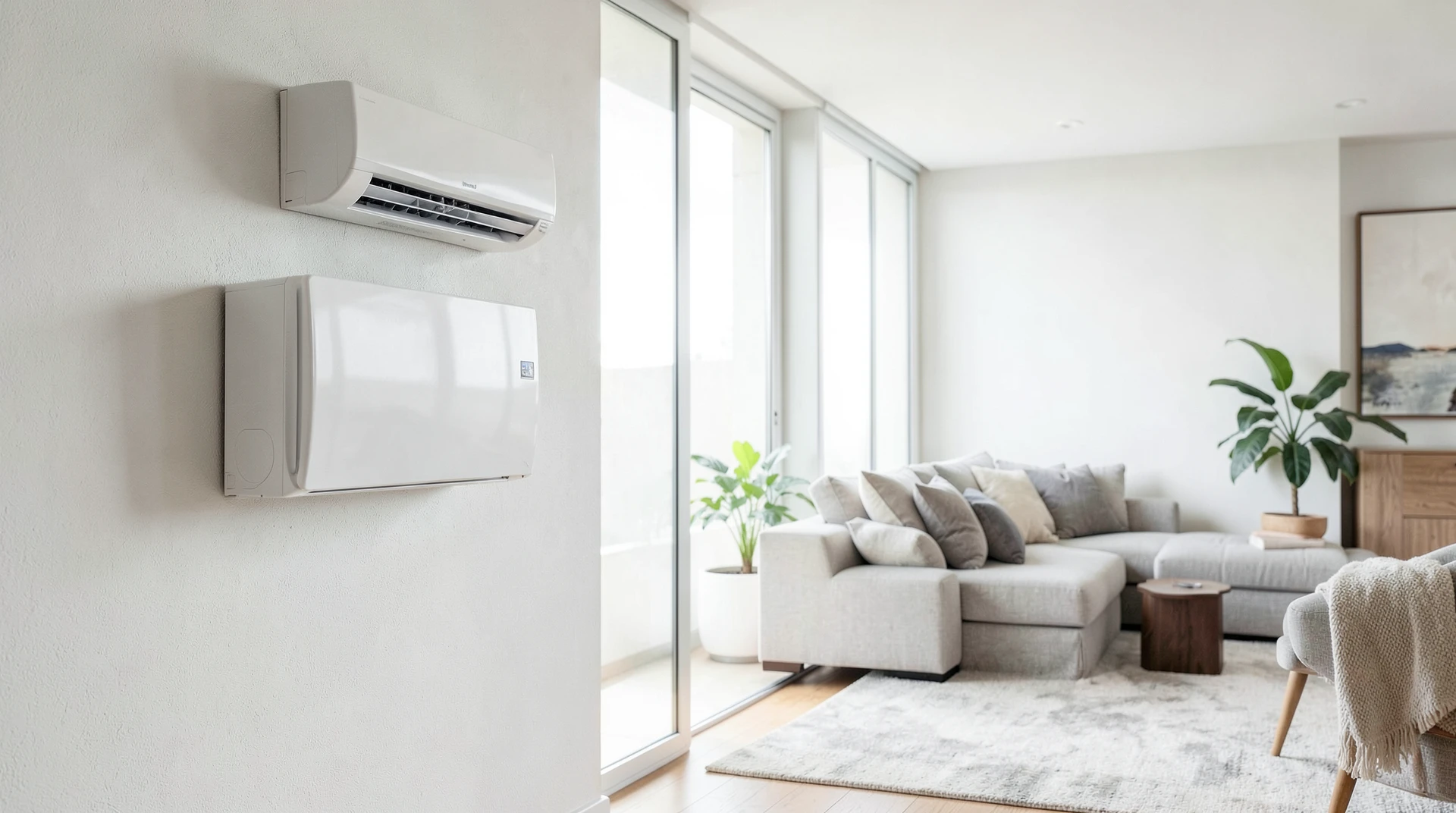
When you're researching what type of cooling system is best for apartments, you’ll find an overwhelming amount of information-and probably some confusing jargon. Most guides treat every apartment building as if it were the same, generic box that needs a single, off-the-shelf fix. But here at Smart HVAC Solution, we know better. We understand that luxury living in West Side and Silver Oak isn't one-size-fits-all; your comfort depends on tailored solutions that respect both your unique layout and your budget.
The biggest misconception we encounter is the idea that all multi-unit dwellings are interchangeable. In reality, whether you live in a sprawling single-family home or a high-rise condo complex, the physics of temperature regulation-and energy efficiency-change drastically. The right solution isn't just about cooling; it’s about creating an environment optimized for modern living, which means zoned comfort and superior air quality that feels like fresh mountain spring water.
Is Apartment Cooling Always the Same? Understanding Your True Needs.
The first step in finding what type of cooling system is best for apartments isn't looking at models; it’s understanding your actual needs. You might have a beautiful, modern condo with an open-concept living area, but that doesn't mean the temperature is consistent everywhere. Poorly managed central AC often results in what we call "thermal stratification"-where you feel icy drafts near the vents and then experience a pocket of stagnant heat across the room.
This is where the concept of zoned cooling becomes critical. Instead of trying to force one massive, generalized blast of cool air through every square foot equally-a process that wastes energy and never feels perfect-zoned cooling targets specific areas. Think about your primary bedroom: you want it perfectly comfortable for sleep. Your home office needs sharp, crisp focus when working. And the living room might need a gentle warmth in the evening. These zones have different requirements.
This specialized approach is where mini-split systems truly shine. They are designed to be highly localized cooling powerhouses. Unlike central units that rely on ductwork running through attics and walls (which can be inefficient, noisy, or physically impossible to install in modern luxury builds), a quality mini-split system provides precise, independent climate control for individual rooms or zones. It’s the single most effective way to move beyond generic AC solutions and achieve localized comfort without requiring expensive structural overhauls.

Beyond Cooling: Why Indoor Air Quality Is Your System’s Real Investment.
Many people approach HVAC purely as a temperature management problem. They think, "It's too hot; I need more cooling." But if you only focus on the thermometer, you are ignoring the single most important aspect of your home health: Indoor Air Quality (IAQ).
As someone who has spent two decades focusing specifically on IAQ services in the Silver Oak area, I can tell you that simply being "cool" isn't enough; you need air that is dry and clean. When a system fails to manage humidity properly-especially common in mountain climates with seasonal swings-it doesn't just feel stuffy; it creates perfect conditions for mold, musty odors, and allergens.
A high-quality cooling system contributes massively to IAQ by doing more than just moving air:
- Filtration: Modern systems filter out microscopic irritants common in our beautiful mountain environment, such as fine dust, pollen spores, pet dander, and airborne particulates that can trigger allergies.
- Dehumidification: This is perhaps the most overlooked function. Proper dehumidification removes excess moisture from the air, preventing condensation on cold surfaces and mitigating the risk of mold growth deep within your ductwork or walls.
We always emphasize that even if you opt for a mini-split (which are excellent at localized cooling), the overall system must be viewed as an integrated health solution. This means meticulous attention to ductwork maintenance-even sealed, modern systems benefit from clean airflow management. Poorly managed ducts can nullify any efficiency gains and become breeding grounds for dirt.
Mini-Splits vs. Central AC: Choosing the Right Fit for Your Apartment Layout.
This is the core comparison when figuring out what type of cooling system is best for apartments. The choice between a ductless mini-split and traditional central air conditioning (ducted) usually comes down to layout, efficiency requirements, and budget flexibility. Neither is inherently "better"; they are just better suited for different scenarios.
Mini-Split Systems: Flexibility and Focused Power
Mini-splits are the champions of customization. Because they don't rely on extensive ductwork running across your ceiling or through your attic, they offer unparalleled installation flexibility. This makes them ideal for older homes with complicated layouts, luxury condos where structural changes are restricted, or apartments that simply need targeted cooling in specific rooms-like a primary suite and an entertainment area.
Their major efficiency benefit is their ability to handle zoned cooling. You only cool the zones you actively use. If your home office is empty most of the day, it doesn't waste energy trying to chill that zone unnecessarily. This maximizes energy savings without requiring massive upfront infrastructure costs associated with a whole-house duct upgrade. They are also typically quieter than large central units because they eliminate the complex noise generated by large blower motors running through ducts.
Central AC (Ducted Systems): Whole-House Consistency
Traditional ducted systems deliver uniform air conditioning to every vent in the house, making them excellent choices for new builds or homes where a consistent, encompassing temperature is desired across all rooms from day one. They provide that classic "whole-house" feel and can sometimes be easier to manage with smart thermostats controlling one central unit.
However, they carry drawbacks:
- Structural Dependence: They require extensive, often hidden, ductwork that must be perfectly sealed and sized. Any leak or blockage reduces efficiency dramatically.
- Over-Cooling Risk: Because the system is designed to blow air everywhere, it can struggle with zoning, leading to rooms being over-cooled while others remain stagnant.
When deciding between them, ask yourself: Do I need consistent cooling across every square foot (Central)? Or do I need precise, customizable comfort in specific areas that generate the most value (Mini-Split)? For most modern, luxury apartment layouts seeking efficiency and localized control, mini-splits offer a tremendous ROI.
Decoding Efficiency: What Specs Matter When Shopping for Apartment Cooling?
When you are deep into the research-and honestly, you should be!-you will encounter technical jargon that can make your head spin. To help navigate this, let's translate some complex metrics into simple language so you know exactly what you’re paying for and why.
The first acronym you'll see is SEER (Seasonal Energy Efficiency Ratio). Don't panic at the number itself! Think of SEER as a rating of value-it tells you how much cooling power you get per watt used over an entire season. A higher SEER generally means the unit is better engineered to run efficiently, saving you money on your utility bills over the long haul.
The next technical feature to understand is variable speed compressors (or inverter technology). This is a massive differentiator that solves one of the biggest pain points: inconsistent comfort levels. Older AC units often operate like an old car engine-they blast cold air until they hit their target, then shut off completely, creating cycles of hot and cold. Variable speed systems, by contrast, run continuously at varying speeds. They constantly adjust their output to maintain a stable temperature, providing consistent, gentle comfort rather than jarring blasts.
Finally, we must talk about maintenance vs. replacement. Never treat an HVAC system like a car-it's not always a simple tune-up versus buying a whole new vehicle. Sometimes the problem is just a dirty coil or a minor duct leak (a repair). Other times, however, the compressor itself is failing due to age and inefficient operation, which requires a replacement unit for true long-term efficiency. If your system has been running significantly past its expected lifespan, even minor repairs might only be "band-aid fixes" that won't solve the root problem of systemic inefficiency. Understanding when a simple service is enough versus needing major work often comes down to knowing about expert air conditioning care.
Optimizing Comfort & Investing in Peace of Mind
Ultimately, when planning what type of cooling system is best for apartments, you are not merely buying a piece of hardware; you are investing in your home’s entire environment-your health, your comfort, and your peace of mind. The goal must be to optimize the living experience, ensuring that every breath you take and every moment you spend at home feels effortless and luxurious.
At Smart HVAC Solution, we structure our process to de-risk this decision entirely. We don't rush you toward a sale based on an initial glance. Instead, we follow a structured path:
- Initial Consultation: We listen first. What are your greatest pain points? Is it the humidity, the high bills, or the inconsistent temperature in the master bedroom?
- Comprehensive Assessment: This is where our expertise shines. We assess not just the unit, but the air quality and the existing efficiency of the entire structure-checking for leaks and airflow issues.
- Tailored Solution Recommendation: Based on that data, we recommend the optimal system (be it a mini-split or an upgraded central system) designed specifically to meet your zoning needs and maximize ROI.
- Clean Installation & Optimization: We handle everything from professional installation to sealing every possible leak in the ductwork, ensuring minimal disruption to your luxury lifestyle. And because we know how important time is, when we work with neighbors in areas like Montgomery Estates or Cedar Flat, timeliness matters-we are clean, organized, and respectful of your property.
If you’re tired of settling for generic comfort and want a system that truly works with the unique architecture of your apartment, let's talk. Instead of getting an estimate today, we invite you to schedule a complimentary Efficiency Assessment. We will analyze your home’s current climate performance-the air quality, the energy waste, and the true potential for localized comfort-to show you exactly how much you can save and how much better your indoor air can feel.
Stop guessing about HVAC fixes and start investing in optimized living. Contact Smart HVAC Solution today to schedule your assessment and discover the perfect system for your unique West Side/Silver Oak home.