
How Do I Prevent Future Dust Buildup in My Ducts? A Guide for Silver Oak Homeowners
When the air conditioning kicks on, it should feel like taking a deep breath of clean, crisp mountain spring water-a refreshing escape from the heat. But if you’ve ever noticed that musty, slightly stale odor mixed with the cool breeze, or seen your energy bills creeping up without explanation, you might be dealing with more than just dusty ducts.
At Smart Hvac Solution, we often hear homeowners asking: how do I prevent future dust buildup in my ducts? It's a question that speaks to deeper concerns about health, efficiency, and the longevity of your biggest home investment. While it feels like an aesthetic problem-just grime inside walls-the truth is that duct contamination signals underlying issues with air quality and system integrity.
The reality is, keeping your HVAC running smoothly isn’t just about fixing a broken unit; it’s about optimizing your entire climate ecosystem. As I’ve spent over two decades working on air systems across the West Side/Silver Oak area, my focus has always been this: The true cost of HVAC ownership isn’t the repair itself; it’s the neglect and efficiency loss that prevention solves.
It's More Than Just Dust: Understanding What Truly Accumulates in Your HVAC System
To truly answer how do I prevent future dust buildup in my ducts?, we first need to redefine what "dust" actually is. The term is an oversimplification, and focusing only on surface grime means missing the core health concern-Indoor Air Quality (IAQ).
When people think of dust, they picture settled dirt. But your HVAC system acts like a sophisticated vacuum cleaner for everything floating in your home’s air. What it collects is a complex, often invisible cocktail of contaminants:
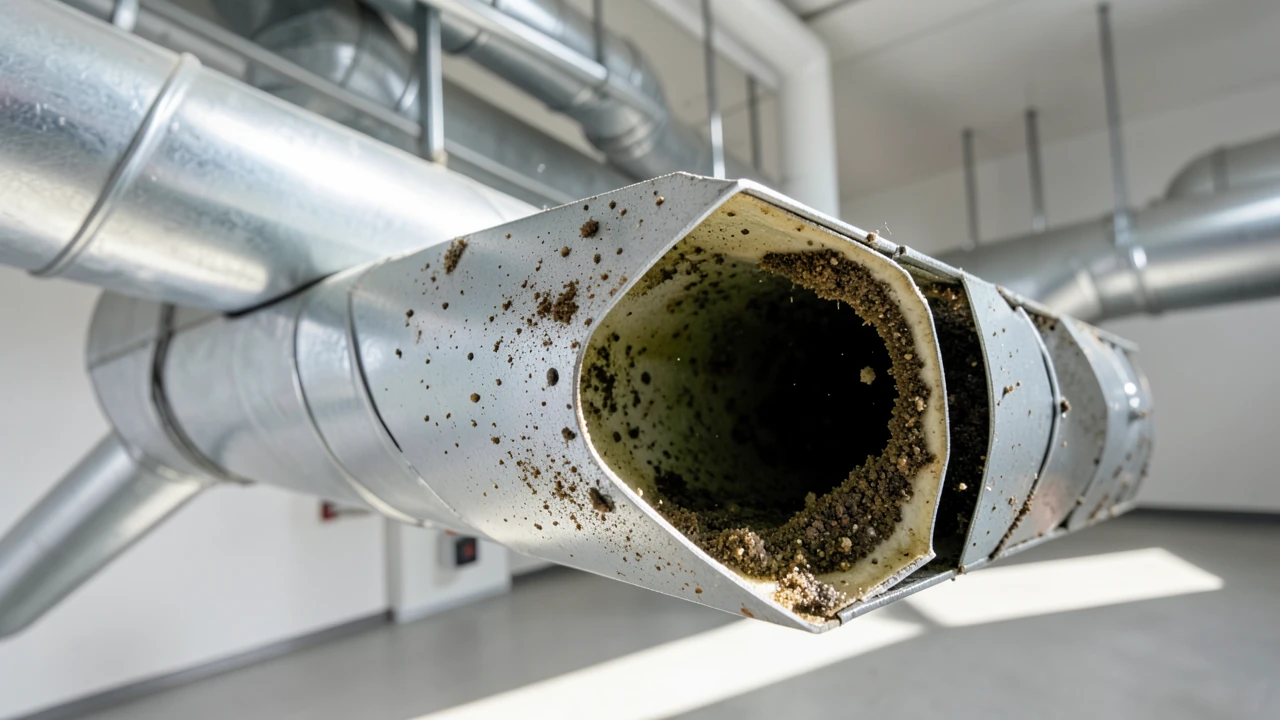
- Microscopic Allergens: These include pet dander, pollen (especially challenging during our beautiful mountain bloom seasons), and airborne fungal spores.
- Particulate Matter: Everything from cooking residue to fine desert dust gets pulled into the system.
- Moisture Residue & Mold Spores: Because HVAC systems constantly pull moisture out of the air (or sometimes introduce it, depending on the season), they create condensation points where mold and mildew spores can thrive in darkness-the notorious source of that musty smell.
These contaminants don't simply rest in the ducts; they interact with aging ductwork and systems. Over time, this residue builds up a biological film. This film acts like an incubator for allergens and bacteria, meaning even if your unit is running efficiently, you are essentially circulating concentrated irritants through your living space. Furthermore, proper humidity control-a critical factor in maintaining comfort during our varying mountain climate conditions-relies on clean, functioning coils and ducts to operate correctly.
DIY Efforts vs. Professional Diagnosis: Where Prevention Really Begins
It’s completely natural for homeowners to want to take charge of their home's health. When you notice a strange smell or an unusual bill, your instinct is to troubleshoot-to change the filter, run the unit longer, etc. These initial steps are appreciated and can provide temporary relief. However, managing expectations about effectiveness is crucial.
While simple actions like religiously changing high-quality filters (we’ll discuss MERV ratings later) and running a dehumidifier during damp seasons are excellent first steps, they only treat the symptoms. They do not address the fundamental structural or dynamic problems within your home's air system.
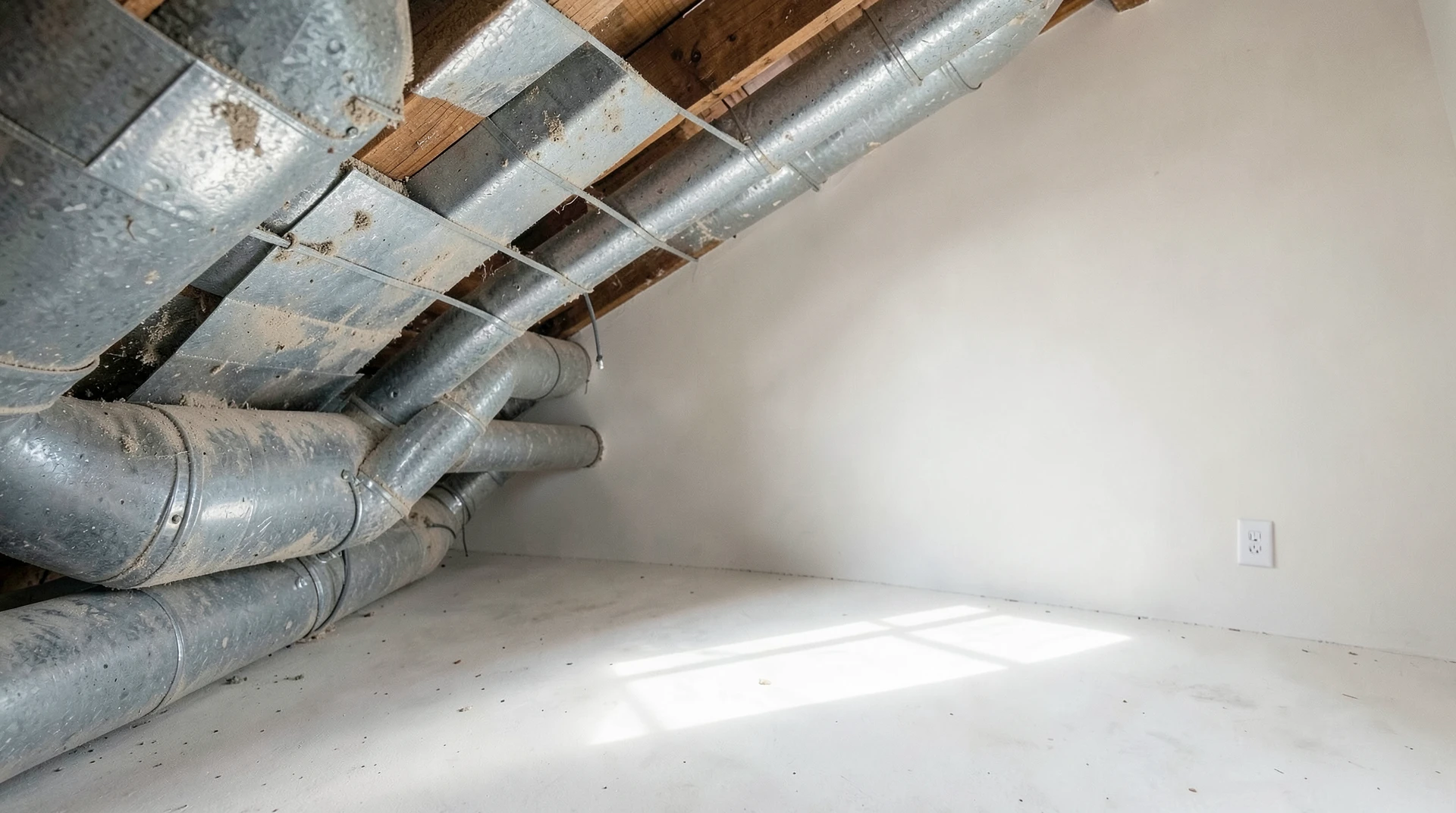
The most foundational preventative measure is often structural. Have you ever considered the integrity of your ductwork itself? If ducts run through unconditioned attic spaces or crawlspaces-and even if they look fine-they are susceptible to tears, poor seals, and gaps. These leaks don’t just waste energy; they allow outside contaminants (dust from the desert floor, pollen from neighboring properties) to be sucked into your meticulously filtered indoor air stream.
This is where a professional diagnosis becomes indispensable. Sometimes, what appears to be "dust buildup" is simply a sign of poor airflow dynamics-a systemic imbalance where sections of the system are struggling or working too hard. A trained HVAC technician doesn't just vacuum; they assess how the air moves. They look for the root cause: Is it the ductwork? Is it the balance between the furnace and the AC coil? Or is it a subtle leak that’s constantly pulling in outside grit? We need to find out why your system is struggling before we can know how do I prevent future dust buildup in my ducts?
The Three Pillars of Prevention: Sealing, Filtration, and Airflow Management
True preventative care rests on three interconnected pillars. Fixing one without addressing the others is like putting a band-aid over a major leak-it solves nothing permanently.
1. Ductwork Integrity (The Seal)
This is perhaps the most overlooked pillar. The duct itself must be airtight, not just clean. Over time, HVAC systems are exposed to temperature swings and minor structural shifts that can degrade basic sheet metal or mastic seals. Using standard household tape on a major duct run is like putting masking tape on a leaky pipe; it will fail under pressure. Professional sealing involves using specialized mastic sealant-a durable compound designed for HVAC materials-that creates an industrial-grade, weather-tight barrier. This process not only prevents massive energy loss but also keeps the air within your home cleaner because contaminants can't be pulled in from uncontrolled exterior paths.
2. Filtration Levels (The Catch)
Filters are your first line of defense. But there is no single "best" filter; there is only the right filter for your specific environment and system design. The key concept here is the MERV rating (Minimum Efficiency Reporting Value). A low MERV filter might stop large dust bunnies, but it will let fine particles like mold spores slip through. Conversely, using a filter that is too restrictive can choke the airflow, causing your unit to strain and fail prematurely. We often recommend an upgrade-such as moving from a basic MERV 7 to a robust MERV 13 filter-because these advanced filters are specifically designed to capture fine particulates, including many common allergens, before they ever circulate through your living space.
3. Preventative Maintenance (The Tune-Up)
This is scheduling expertise into your life. A thorough professional tune-up is not an emergency fix; it’s a proactive investment in peace of mind. It involves much more than simply checking the electrical connections:
- Coil Efficiency Inspection: We inspect the evaporator and condenser coils for corrosion, scale buildup, or dirt accumulation. Dirty coils force the system to work harder, decreasing efficiency and increasing utility costs.
- Condensate Drain Check: Mold growth often begins in poor drainage. We flush and verify the condensate drain lines to ensure water is exiting correctly, preventing standing moisture that breeds mold.
- System Diagnostics: This includes checking refrigerant levels, blower motor health, and airflow resistance across all registers.
Beyond Cleaning: Investing in Your Home's Long-Term Comfort (ROI)
Let’s talk about the language of efficiency-the kind of language you understand when you look at your monthly statements. When we frame preventative maintenance correctly, it is not an expense; it is a Return on Investment.
If your HVAC system is inefficient due to duct leaks or dirty coils, it works harder and cycles more often than necessary. This constant stress dramatically reduces component lifespan-meaning you face expensive replacements sooner than anticipated. You are paying for the function of the system without receiving its optimal performance. That extra strain translates directly into high utility bills and increased operational costs.
To maximize your ROI, smart homeowners consider modern upgrades:
- Smart Thermostats: These go beyond simple scheduling. They learn your family’s habits and optimize heating/cooling only when necessary, ensuring comfort while minimizing energy waste.
- Advanced Air Purification Systems: For those with severe allergies or who live in areas prone to dust, supplemental whole-home air purification can supplement the basic filtration, providing comprehensive IAQ management that goes far beyond what a simple filter change achieves.
As one local homeowner told us during our last visit near Kings Beach, "I honestly didn't realize how much energy I was wasting because of small leaks in my ducts running through the garage ceiling. It was shocking." That is the power of proper sealing-it saves money by keeping the cool air exactly where it needs to be: inside your home.
When the Dust Gets Too Deep: Recognizing Signs It's Time for Expert Help
Sometimes, despite the best preventative care, a system reaches a point where amateur troubleshooting simply isn't enough. Knowing when to call in an expert is key to avoiding costly delays and discomfort.
Here are some tell-tale signs that professional intervention-be it AC repair, comprehensive duct sealing, or full system diagnostics-is needed:
- Persistent Musty Odors: If the smell of mold or mildew lingers even after cleaning, the issue may be within inaccessible areas like the condensation drain pan or deep within complex ductwork.
- Unusual Noises/Rattling: Sounds that seem to come from deep inside the unit (like metal scraping or rattling) often indicate a belt, fan motor, or component that needs immediate attention during central AC repair.
- Visible Drafts and Uneven Temps: If you feel noticeable drafts coming from registers that should be covered by air curtains, it might point to significant ductwork leakage requiring sealing.
- Rapid System Cycling: When the unit turns on for a short burst and then shuts off shortly after (or cycles too frequently), the system is struggling with an underlying imbalance-perhaps low refrigerant or extreme inefficiency from buildup.
We don't just treat the dust; we diagnose why it got there in the first place. We look at the entire operational flow. If you are dealing with symptoms of a failing unit, whether it’s AC troubleshooting for poor cooling or general cooling system repair, remember that proactive planning is always better than reactive panic.
We know that finding a reliable contractor can feel stressful. That's why we focus on transparent diagnosis: we will explain exactly what the root cause is and give you clear choices, never just one price tag. Don’t wait for a catastrophic failure during a summer heat wave in Silver Oak. Schedule an inspection today; it is the most luxurious form of home ownership-the gift of guaranteed, consistent comfort year-round.
Ethan Ramirez, Senior HVAC Specialist & Indoor Air Quality Consultant