Heating System Not Turning On At All? Troubleshooting & Replacement Guide
The sudden silence of a furnace in the dead of winter is more than just an inconvenience; it’s a deep disruption to your home's core comfort and sense of security. When you hear that familiar whirring sound cut out, or when the thermostat reads below comfortable levels, the immediate panic can be overwhelming. You start Googling, typing phrases like heating system not turning on at all troubleshooting and replacement.
We proudly serve hvac in Kings Beach, CA and the surrounding area.
If this is you, take a deep breath. Before calling an emergency service-which is absolutely necessary sometimes-we want to walk through this process with you. I've spent over two decades working across the West Side area, from Silver Oak to Cedar Flat, and I’ve learned that while the initial failure point can seem mysterious, understanding why it failed is key to getting reliable comfort for years to come. Our goal isn't just fixing a part; it's restoring your entire system's peace of mind.
When Your Heat Goes Out: Initial Triage and Safety Checks
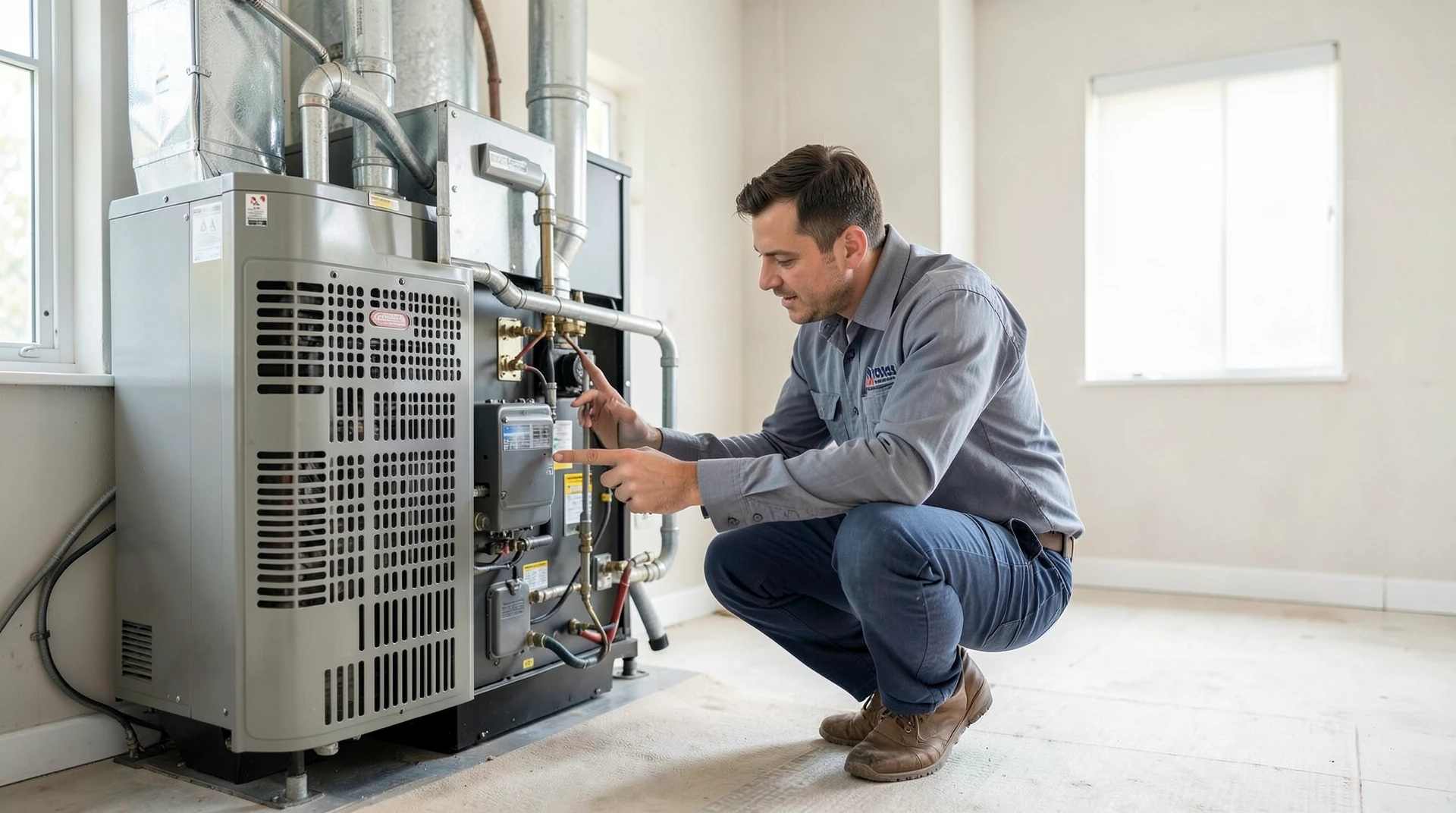
The first step in tackling any failure-whether it’s the furnace or the AC unit-is always safety, followed by observation. Think of this initial phase as basic diagnostics that can save you both time and money.
Immediate safety protocols: Before attempting any troubleshooting, ensure the unit is properly powered off at the circuit breaker. Never touch exposed wiring. This seems obvious, but I cannot stress it enough. Your safety is paramount. If you are unsure about interacting with electrical components, call us immediately-that’s what we're here for.
Next, let's tackle the simple checks that save you time (and money). Before assuming a major breakdown, verify two things: first, check the thermostat itself. Is it set correctly? Has someone accidentally lowered the temperature setting or turned the system into "Off" mode? Second, if your unit uses gas, confirm any pilot lights or main gas valves haven't been inadvertently shut off. These simple checks account for a surprising percentage of what looks like a catastrophic failure.
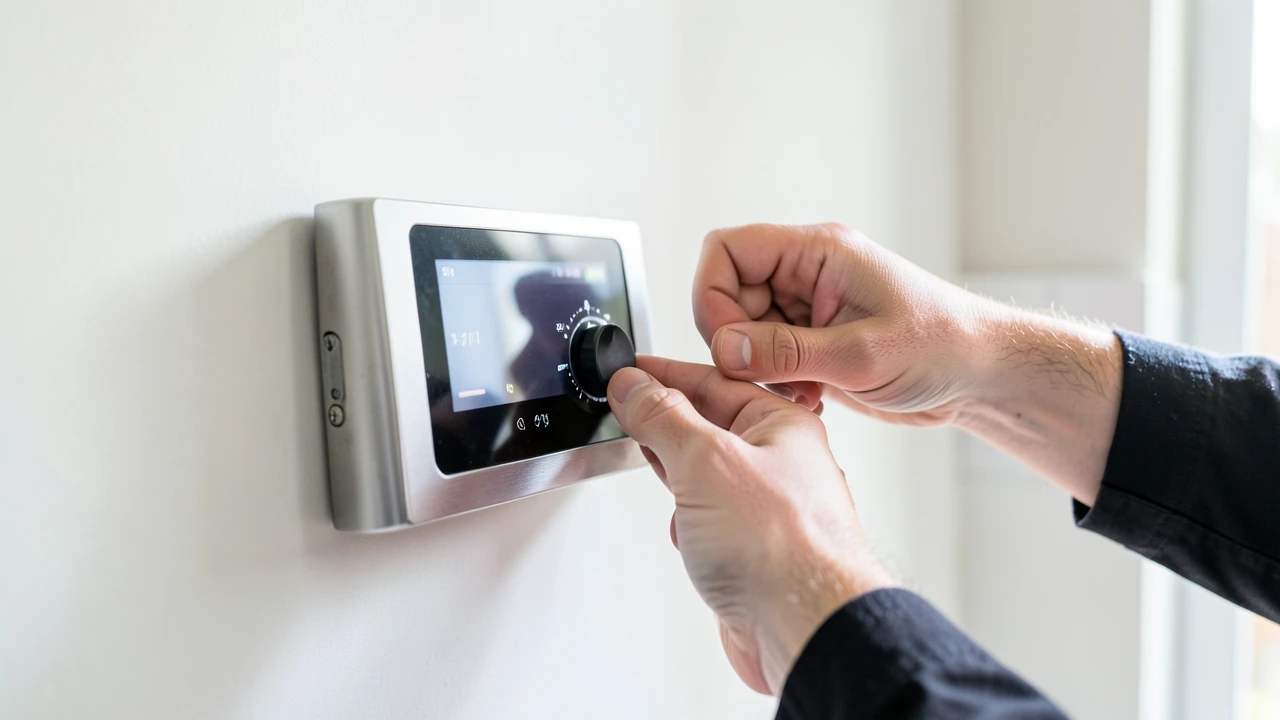
Most modern systems display diagnostic codes-little blinking sequences on the control panel. Understanding basic error codes is crucial because these are not random failures; they are the system’s way of telling you exactly what component failed (e.g., "Motor Overheat" or "Flame Sensor Fault"). Ignoring these messages, or assuming they mean nothing, is a costly mistake that delays diagnosis and increases repair costs exponentially.
Finally, it's vital to understand the difference between an electrical trip and mechanical failure. If your breaker tripped, it suggests a temporary overload-perhaps a circuit was momentarily stressed by starting another large appliance nearby. A total system shutdown, where everything is dead (no power and no error code), requires deeper investigation into the main supply lines or control boards within the unit itself.
Decoding the Failure: Why Just Repairing Isn't Enough
This brings us to what many homeowners worry about most: being told they need a simple fix, only for that fix to fail again in a few months. I want you to understand why addressing the root cause vs. the symptom is not optional; it’s essential. When faced with "heating system not turning on at all," a technician might focus solely on replacing the igniter, which solves the immediate electrical failure. But if the underlying issue is corrosion in the flue or ductwork leaks, that new igniter will fail again within months under stress.
We look for the deeper issues: the crucial role of efficiency loss (ROI). High energy bills-especially when the system is running but struggling-are often a sign of an inefficient system, not just a broken part. An aging furnace, even one with brand-new components, might struggle to meet modern demands because its heat exchange capabilities have degraded over decades.
We also need to be acutely aware of identifying the 'silent killers'. These are common problems that don't scream for attention but degrade performance and stress every component around it. Think about carbon buildup in the combustion chamber-it reduces efficiency and can cause dangerous blow-outs, or ductwork sealing failures that allow conditioned air to escape into unheated attics.
I remember working on a beautiful property in Montgomery Estates where the homeowner was worried because the furnace kept tripping. The repairman replaced the main control board (the obvious fix). But after running through our full diagnostic process-looking at everything from the blower motor amperage to the damper seals-we found that decades of minor, unsealed duct leaks were actually causing the system to work so hard it was overheating and repeatedly tripping the breaker. This case taught me: sometimes, the problem isn't what broke, but what has slowly deteriorated around it.
When multiple parts fail in a short period-say, motor failure combined with an electrical issue-it signals a systemic lifespan issue. At that point, simply replacing one component is like putting a band-aid on a deep wound; the whole foundation needs attention.
The Full Picture: When Replacement Offers Better Peace of Mind
If your system has been through multiple emergency repairs over the last five to seven years, or if you’re experiencing persistent efficiency issues and inconsistent temperatures, it's time we talk about replacement. This is not just swapping out a furnace; it’s an opportunity to upgrade efficiency, air quality (IAQ), and system capacity for modern luxury living in areas like Montgomery Estates.
We spend so much time discussing the cost of failure, but I want to shift your focus to the concept of return on investment (ROI). We frame a new HVAC unit not as an expense, but as a long-term asset that will reduce utility waste and actively improve family health for decades.
When considering options, we analyze new technologies. For example, comparing traditional high-efficiency gas furnaces with advanced ducted heat pumps shows us how both can provide reliable comfort. Modern variable-speed systems offer unparalleled consistency-they don't just turn on; they modulate their output to perfectly match your home’s needs, providing consistent, steady temperatures even when outside conditions fluctuate dramatically in Tahoe Keys.
Crucially, we must focus on sizing the solution correctly. This is arguably the biggest mistake homeowners make: undersizing a replacement unit. An undersized system will run constantly and struggle-it won't cool enough or heat fast enough during deep winter cold spells. Conversely, an oversized system cycles too quickly, failing to dehumidify properly. Proper sizing ensures reliable comfort without wasting energy.
Beyond Comfort: Maximizing Indoor Air Quality with System Upgrades
As someone who specializes in Indoor Air Quality Services, I must emphasize that your HVAC replacement is the perfect opportunity-and sometimes the only chance-to radically improve more than just temperature regulation. We are talking about air purity, which is a foundational element of wellness.
The IAQ connection means we can integrate advanced filtration and humidity control systems directly into your new setup. This moves us beyond simply providing 'heat' or 'cool,' to actively managing the breathable environment within your walls. Using high-grade filters and specialized purification components, we ensure that every breath in your home is as clean as fresh mountain spring water.
Modern systems can do more than just circulate temperature; they can eliminate musty odors and allergens. If you live in a climate prone to seasonal mold or dusty air, upgrading the filtration system is non-negotiable for respiratory health.
We also focus on whole-home system optimization by integrating smart thermostats and zoned controls. Instead of heating every square foot equally all day long, zoning allows you to precisely manage temperature where people are (e.g., bedrooms at night) while minimizing energy waste in unused areas. This intelligent control is a massive step toward reducing your utility bill and maximizing comfort.
Finally, remember that the longevity of quality construction matters just as much as the equipment itself. True value comes from reliable installation-from sealing every inch of ductwork to correctly mounting the furnace. We guarantee a clean, organized process that respects your home and helps prevent future issues.
Building Reliability: Your Path Forward After System Failure
Knowing how quickly a system can fail when you least expect it, we want to provide you with actionable steps to ensure maximum reliability between service calls. The most effective way to deal with the anxiety of heating system not turning on at all is prevention.
The cornerstone of this peace of mind is establishing a robust preventative maintenance schedule (Pre-Season Check). An annual tune-up, performed before peak season hits, allows us to catch minor issues-like slightly cracked ductwork or low refrigerant charge-before they escalate into an expensive, emergency breakdown. This check doesn't just involve changing filters; it’s a deep diagnostic inspection of every moving part and electrical connection.
When the unexpected happens, reliable emergency service is paramount. We maintain readiness to provide rapid response in areas like Kings Beach or Al Tahoe. Our commitment is always transparent pricing and immediate availability, because nobody wants to wait for comfort when the temperature drops fast.
Regarding the consultation process, I want to address your concern head-on: we are committed to diagnosing the root issue first. We will provide you with clear, written options-Repair Option A, Replacement Option B, or a Hybrid Solution C-along with a detailed explanation of the ROI for each choice. There is no pressure to "upsell" unnecessary components; our advice is solely guided by what your home needs to operate optimally.
Finally, I want to empower homeowners. Between service calls, simply checking your filters monthly and reporting any unusual noises (grinding, humming that wasn't there before) immediately are two things that make a massive difference in the lifespan of your entire system.
“The true cost of HVAC ownership isn't the repair itself; it’s the neglect and efficiency loss that prevention solves.” – Ethan Ramirez
If you suspect anything is wrong, don't wait until the cold hits hardest. Call us at +1 775-490-8107 for a comprehensive diagnosis. We work with the full spectrum of West Side NV properties-from luxury estates in Montgomery Estates to homes near Tahoe Keys-and we are here to provide reliable comfort and unparalleled peace of mind.